Protein Powder and Ageing: How to Slow Muscle Loss After 40

From your mid-30s onward, your body loses muscle at a rate of roughly 1% per year, a process called sarcopenia. By age 70, many people have lost 25-30% of the muscle mass they had in their 30s. The good news: protein intake is one of the most well-studied tools for slowing this decline, and protein powder is one of the most practical ways to hit the numbers that actually matter.
Key takeaways
- Adults over 40 need more protein per kilogram of bodyweight than younger adults to achieve the same muscle-building response.
- The recommended intake for older adults is 1.2-1.6 g of protein per kg of bodyweight per day, up from the standard 0.8 g/kg.
- Leucine content per serving is critical: aim for at least 2.5-3 g per meal to trigger muscle protein synthesis.
- Whey protein is the most researched option for older adults, but plant-based blends can work when doses are sufficient.
- Protein powder alone does not stop sarcopenia. Resistance training is non-negotiable alongside higher intake.
Why do older adults need more protein than younger people?
Older muscle tissue develops a condition researchers call "anabolic resistance." The same dose of protein that triggers a strong muscle-building response in a 25-year-old produces a blunted response in a 65-year-old. The muscle cells are less sensitive to the amino acid signal. To overcome that resistance, you need a larger protein stimulus, not a different one.
A 2013 study published in the Journal of Nutrition, Health and Aging found that older adults required around 0.4 g of protein per kg of bodyweight per meal to maximally stimulate muscle protein synthesis, compared to roughly 0.24 g/kg for younger adults. That translates to 28-32 g of protein per sitting for a 70 kg older adult, which is a meaningful amount to get from whole food alone at every meal.
Protein powder closes that gap. A single scoop of quality whey protein typically delivers 24-30 g of protein in under 150 calories, with a leucine content (the amino acid most directly responsible for triggering synthesis) of 2.5-3 g. That profile matches exactly what the research says older adults need per meal.
Which protein powder works best for older adults?
Not all proteins age the same way. Here is how the main options compare on the factors that matter most for muscle retention after 40.
| Protein Type | Leucine per 30 g serving | Digestion speed | Best use |
|---|---|---|---|
| Whey Isolate | ~2.9 g | Fast | Post-workout, morning |
| Whey Concentrate | ~2.6 g | Moderate | Post-workout, smoothies |
| Casein | ~2.3 g | Slow | Before bed, between meals |
| Pea + Rice Blend | ~2.0-2.4 g | Moderate | Any time (increase dose to 40 g) |
| Soy Isolate | ~2.3 g | Moderate | Any time |
Whey isolate sits at the top for older adults because its leucine content is the highest of common options and its digestion speed means amino acids reach muscle tissue quickly. If you are lactose intolerant or avoiding dairy, a pea and rice blend at a slightly larger dose (40 g rather than 30 g) produces comparable results, according to a 2019 study in Sports.
For a full breakdown of how whey and plant proteins compare at any age, our plant protein vs whey comparison covers the key differences in detail.
How much protein do older adults actually need each day?
The Australian government's recommended dietary intake (RDI) for protein sits at 0.84 g per kg for men over 70 and 0.75 g per kg for women over 70. Both of these figures are set to prevent deficiency, not to optimise muscle mass. The research on sarcopenia prevention points to a meaningfully higher target.
The PROT-AGE Study Group, an international panel of researchers, recommends 1.2-1.6 g of protein per kg of bodyweight daily for older adults, with the upper end applying to those doing regular resistance training. For a 75 kg person, that is 90-120 g per day from all food sources combined.
Our dedicated article on daily protein requirements walks through how to calculate your personal target and adjust for activity level.
Does timing matter after 40?
For younger adults, the "anabolic window" around workouts is less critical than total daily intake. For older adults, the picture shifts slightly. Research suggests that consuming protein close to a resistance training session (within one to two hours) does produce a meaningfully greater muscle protein synthesis response compared to having the same protein hours later. This is not magic; it reflects the fact that exercised muscle is temporarily more sensitive to amino acids.
A practical approach: train first, then have your protein shake within 60 minutes. On rest days, distribute protein across meals as evenly as you can manage, aiming for at least 25-30 g at each sitting.
For more on the timing question, our article on protein timing around workouts covers the evidence in full.
Frequently asked questions
Is it safe for older adults to take protein powder every day?
Yes, for most healthy older adults. The kidneys filter excess amino acids, and research has not shown harm from intakes up to 2 g per kg of bodyweight per day in people with normal kidney function. If you have existing kidney disease, speak to a GP before increasing protein significantly. For everyone else, daily use at sensible doses is well supported by the evidence.
Can protein powder replace resistance training for muscle retention?
No. Protein provides the building material; resistance training provides the signal to build. Studies that give older adults extra protein without exercise consistently show smaller benefits than studies that combine both. Two to three resistance sessions per week, even bodyweight exercises at home, make protein powder substantially more effective.
What if I have trouble eating enough food as I get older?
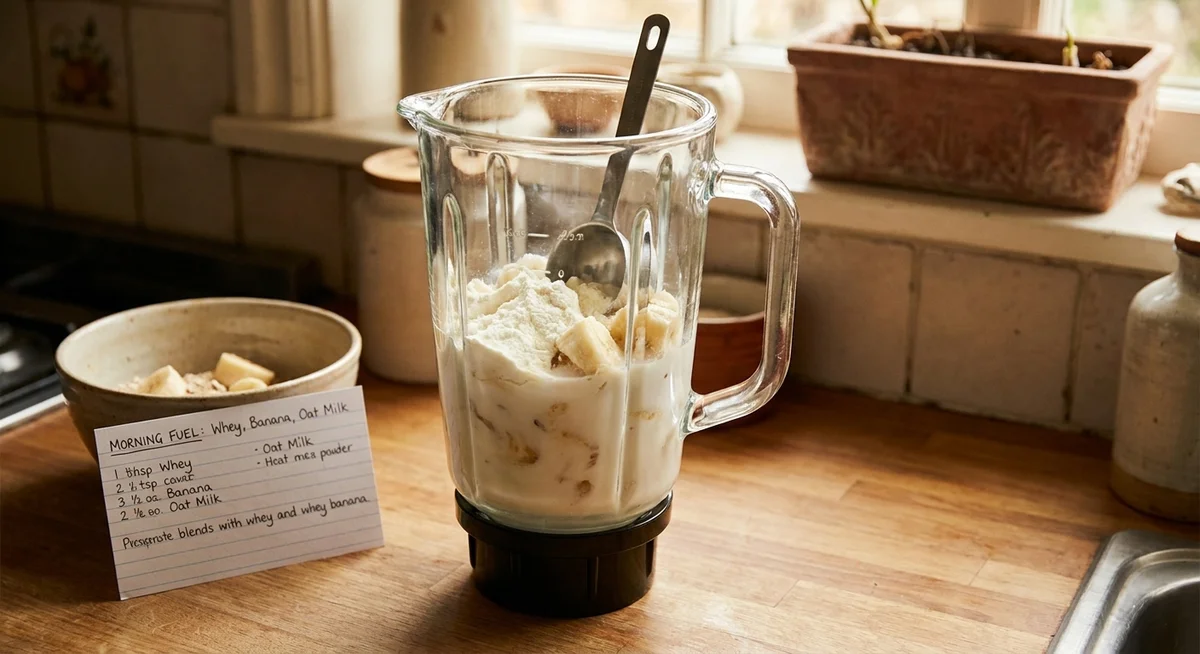
Reduced appetite is common after 60 and is one of the main drivers of sarcopenia. Protein powder is useful here precisely because it delivers a high protein dose in a small, easy-to-consume volume. A shake made with 30 g of whey, milk, and banana takes under two minutes to prepare and delivers 40-45 g of protein without requiring a full meal-sized appetite.
Should older women take the same amount of protein as older men?
Per kilogram of bodyweight, yes. Women tend to have lower total muscle mass and face a steeper decline around menopause due to oestrogen loss, so the same 1.2-1.6 g/kg target applies. Absolute amounts will differ because average bodyweight differs, but the per-kilo maths is the same. Resistance training plus adequate protein is one of the most evidence-backed strategies for women managing body composition changes after menopause.
Find the best protein powder in AustraliaOur guide compares top options by type, price, and ingredient quality so you can make a confident choice.