Whey vs Casein Protein: Which One Should You Choose?
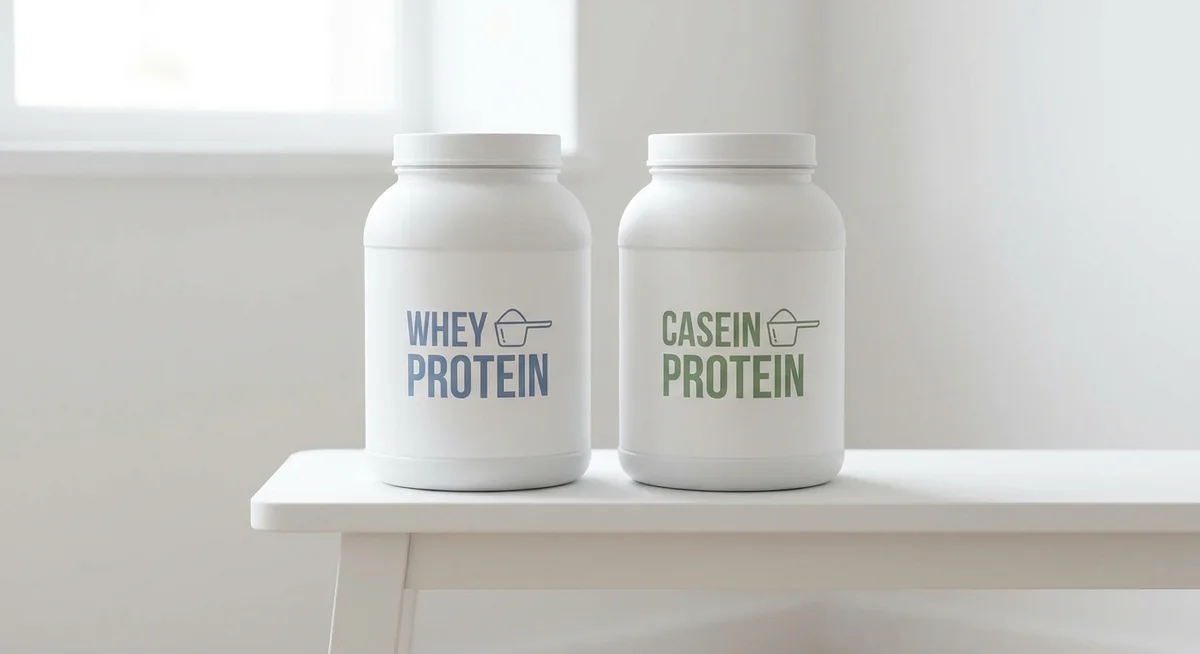
Whey and casein are the two proteins found in cow's milk, and together they account for the majority of protein powders sold in Australia. Both deliver complete amino acid profiles and solid muscle-building credentials, but they digest at completely different speeds. That one difference shapes when you should use each one, and whether you need both at all.
Key takeaways
- Whey digests fast (2-3 hours) and spikes amino acids quickly, making it the stronger choice around workouts.
- Casein digests slowly (up to 7 hours), releasing amino acids gradually, making it suited to overnight recovery.
- Both are complete proteins with comparable per-gram leucine content at similar price points.
- For most people, one well-timed protein source is enough. Stacking both is rarely necessary.
- Lactose sensitivity affects both, but whey isolate and micellar casein contain less lactose than concentrate forms.
What is whey protein and how does it work?
Whey is the liquid fraction of milk left over after cheese-making. Once filtered and dried, it becomes the fast-digesting protein powder most people reach for after training. Studies consistently show whey raises blood amino acid levels within 60 to 90 minutes of consumption, triggering a sharp spike in muscle protein synthesis. That spike fades relatively quickly, which is why whey is best used when your muscles are ready to absorb nutrients fast, typically within the two-hour window after a workout.
Whey comes in three main forms: concentrate (70-80% protein), isolate (90%+ protein, lower lactose and fat), and hydrolysate (pre-digested for even faster absorption). For most people, whey concentrate delivers excellent value. Whey isolate is worth considering if you are lactose sensitive or tracking macros closely. You can read more about these differences in our guide to whey isolate vs whey concentrate.
What is casein protein and how is it different?
Casein makes up about 80% of the protein in milk (whey is the other 20%). Unlike whey, casein forms a thick gel in your stomach acid, which slows its breakdown dramatically. The result is a slow, steady release of amino acids over four to seven hours. This does not cause a sharp spike in muscle protein synthesis the way whey does, but it sustains elevated amino acid levels for much longer, helping to reduce overnight muscle protein breakdown.
The most common form sold as a supplement is micellar casein, which preserves the protein's natural structure and delivers the slowest digestion. Casein hydrolysate exists too, but partly defeats the purpose by speeding up digestion, making it less distinct from whey.

Whey vs casein: how do they compare side by side?
| Factor | Whey Protein | Casein Protein |
|---|---|---|
| Digestion speed | Fast (2-3 hours) | Slow (4-7 hours) |
| Amino acid spike | Sharp and rapid | Gradual and sustained |
| Best timing | Post-workout, morning | Before bed, between meals |
| Protein per serve (typical) | 24-28g | 24-27g |
| Leucine content | ~2.5g per 25g serve | ~2.3g per 25g serve |
| Texture in shakes | Light and easy to mix | Thick, creamy, pudding-like |
| Lactose content | Low (especially isolate) | Low (especially micellar) |
| Cost (per serve, approx.) | $1.20 - $2.50 AUD | $1.50 - $3.00 AUD |
Which protein powder is better for building muscle?
Head-to-head studies looking at muscle gain over 8 to 12 weeks show no meaningful difference between whey and casein when total daily protein intake is matched. The acute post-workout advantage of whey does not reliably translate into more muscle mass when the 24-hour picture is controlled. Put simply: hitting your total daily protein target matters far more than which type of protein powder you use to get there.
That said, whey is the more practical choice for the post-workout window because of its speed. If you train in the evening and go to bed within two to three hours, casein can help cover the overnight fast when your body cannot eat but still repairs tissue. This is a real, well-supported benefit, especially for people in a calorie deficit or those training twice a day.
What about protein powder for weight loss?
Casein has a minor edge here simply because it keeps you fuller for longer. The slow digestion and thick gel texture mean a casein shake before bed can blunt late-night hunger without many extra calories. But the difference in satiety between whey and casein is modest, and both proteins support fat loss by preserving muscle while you eat at a deficit. Our dedicated guide on the best protein powder for weight loss covers this in more detail, including how to factor protein timing into a fat-loss plan.
Can you mix whey and casein together?
Yes, and some protein blends sold commercially do exactly this. Mixing them creates a bi-phasic release: a fast hit from the whey followed by a sustained supply from casein. Whether this is measurably better than using one or the other is debatable, but it does no harm and can improve texture if you find straight whey shakes too thin or straight casein too thick to drink quickly.
Frequently asked questions
Is whey or casein better before bed?
Casein wins for pre-sleep use. Its slow digestion means amino acids trickle into your bloodstream across six-plus hours while you sleep, reducing overnight muscle breakdown. A 2012 study published in Medicine and Science in Sports and Exercise found that 40g of casein taken before bed increased overnight muscle protein synthesis by 22%. Whey digests too quickly to maintain that same sustained coverage through a full night's sleep.
Which protein causes less bloating?
Both whey concentrate and casein contain some lactose, which can cause bloating in people who are lactose intolerant. Whey isolate contains the least lactose of any dairy-based protein (often under 1g per serve) and tends to be the gentlest option. Micellar casein is also relatively low in lactose. If bloating is a persistent issue on any dairy protein, a plant-based option like pea or rice protein removes lactose entirely. See our comparison of plant protein vs whey for more on that switch.
Is casein more expensive than whey?
Generally yes, by about 20 to 40% per serve in Australia. Casein is produced in smaller volumes and has a more complex manufacturing process than whey. For most people training once a day with adequate sleep, the extra cost of casein is hard to justify unless budget is not a concern. Whey used consistently at the right time delivers the same long-term results for less money.
Do I need both whey and casein?
Almost certainly not. Research shows that hitting a daily protein target of 1.6 to 2.2g per kilogram of bodyweight drives muscle growth regardless of protein type. If you are eating enough protein across meals and using one good-quality powder to fill gaps, adding a second type offers minimal additional benefit. Start with one, use it consistently for 8 to 12 weeks, and judge results from there.
Try a clean, great-tasting whey proteinOur vanilla protein powder is a practical everyday choice, whether you train in the morning or evening.