Protein Powder for Powerlifters: How to Fuel Big Lifts and Recover Faster
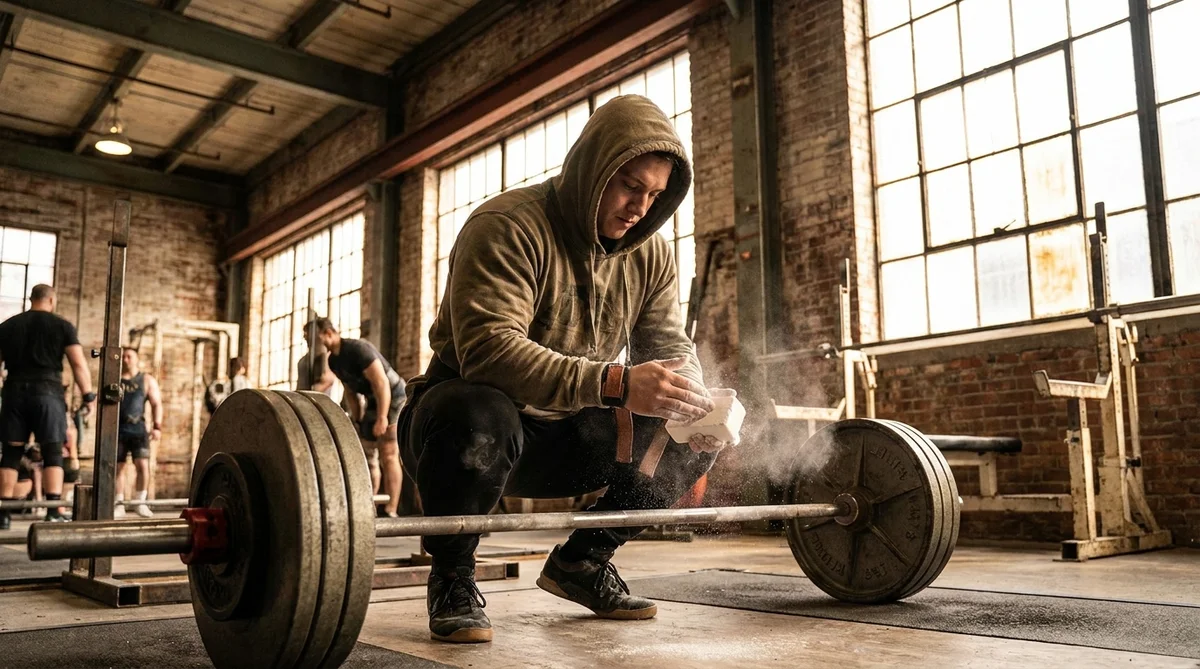
Powerlifters train for one thing: moving as much weight as possible across three lifts. That goal demands more from protein than most people think. Muscle repair after maximal-effort sets is slower and more intensive than after moderate training, and hitting your daily protein target is one of the few nutrition levers that consistently moves the needle on both strength and recovery.
Key takeaways
- Powerlifters typically need 1.6 to 2.2 g of protein per kilogram of bodyweight daily, with higher end targets during a heavy training block.
- Whey protein concentrate or isolate is the go-to choice for speed of absorption after heavy sessions.
- Casein or a blend is more useful before bed, when slow-release amino acids support overnight repair.
- Timing matters less than total daily intake, but the post-training window (within 2 hours) is still worth using.
- Watch for hidden carbs and fillers if you're competing in a weight class and managing body composition.
How much protein do powerlifters actually need?
The evidence-based range for strength athletes sits at 1.6 to 2.2 g per kg of bodyweight per day. A 90 kg powerlifter therefore needs roughly 144 to 198 g of protein daily. That is achievable through whole food alone, but it requires deliberate meal planning. Most lifters find one or two protein shakes fill the gaps without forcing uncomfortable food volumes at every sitting.
During a competition prep block or a calorie deficit (common when making weight), many powerlifters push toward the top of that range. Muscle is expensive to build and easy to lose when calories drop, so keeping protein high protects the strength you have worked years to build.
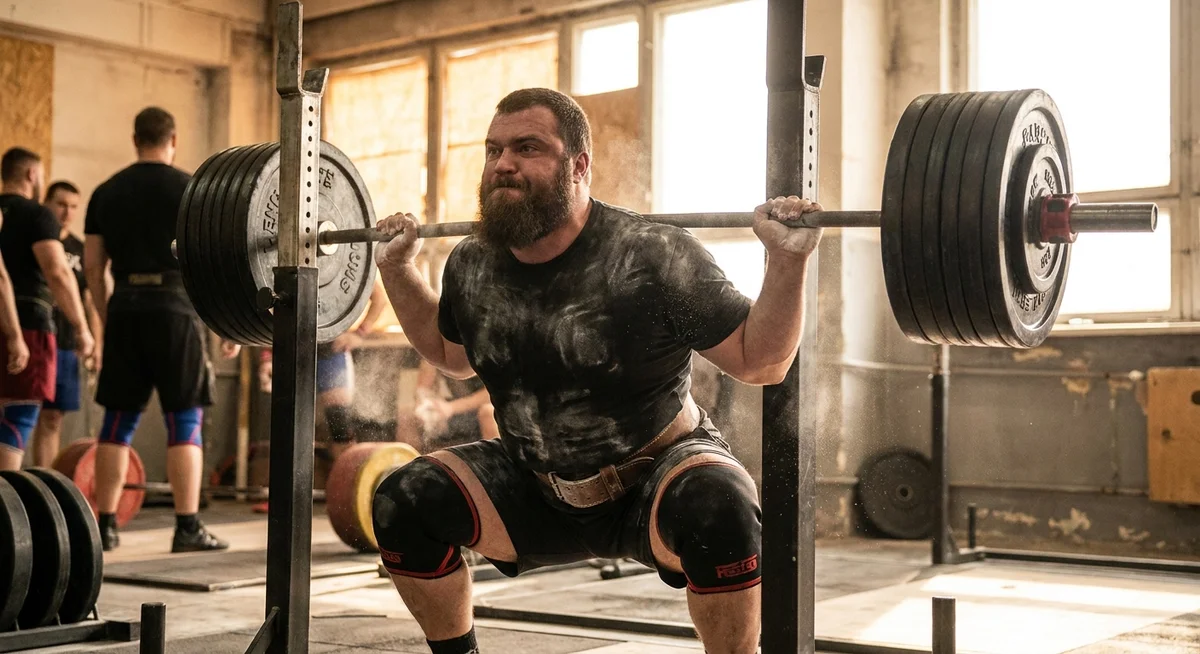
Which protein powder type is best for powerlifters?
The type you choose should match when you are using it and what your gut handles well. Here is a practical breakdown:
| Protein Type | Best Use Case | Digestion Speed | Notes for Powerlifters |
|---|---|---|---|
| Whey Isolate | Post-training shake | Fast (1-2 hrs) | High leucine content triggers muscle protein synthesis quickly after heavy sets |
| Whey Concentrate | Post-training or daytime | Fast (1-2 hrs) | More affordable than isolate; fine for most lifters unless lactose-sensitive |
| Casein | Pre-sleep | Slow (5-7 hrs) | Feeds muscles through the night; useful during heavy training blocks |
| Whey/Casein Blend | Meal replacement or between sessions | Medium | Good all-rounder for lifters who only want one product |
| Plant Blend (Pea + Rice) | Any time | Medium | Suitable for vegan lifters; choose products with a full amino acid profile |
Does protein timing matter for powerlifters?
The short answer: total daily intake matters far more than timing, but timing is still worth getting right. Research on the "anabolic window" has softened over the years. You do not need a shake the moment the bar hits the floor, but consuming 30 to 40 g of fast-digesting protein within two hours of training consistently shows benefits for muscle protein synthesis.
More critical for powerlifters is protein distribution across the day. Studies show that spreading intake across three to four meals or snacks, each containing at least 0.3 g per kg bodyweight, produces better results than front- or back-loading calories. If you train twice per day or compete at a meet with multiple flights, having a portable protein source (a shaker or a protein bar) becomes genuinely practical, not just convenient.
What to look for on the label
Powerlifters making weight for a federation weigh-in need to watch a few label details that recreational lifters can ignore:
- Carbohydrate content: Some mass gainers or recovery formulas contain 40 to 80 g of carbohydrates per serving. That is fine for a bulking block but can derail a weight-cut in the final weeks before a meet.
- Artificial sweeteners and bloating: Some lifters report that sugar alcohols (maltitol, sorbitol) cause gut discomfort during heavy training. If you notice bloating around sessions, switch to a product sweetened with stevia or sucralose.
- Third-party testing: If you compete in a tested federation (such as IPF affiliates), choose a powder with Informed Sport or NSF Certified for Sport certification. Contaminated supplements have resulted in failed drug tests for otherwise clean athletes.
- Protein per dollar: Powerlifting training volumes are high. You may be going through more protein powder per week than a recreational gym-goer. Whey concentrate typically delivers the best cost-per-gram of protein and is the practical default for budget-conscious lifters.
When a whey isolate makes sense
- You are lactose-sensitive and concentrate causes discomfort
- You are in a hard weight cut and need to minimise fat and carb intake
- You want the fastest possible amino acid delivery post-session
- You are close to a weigh-in and watching water retention
When concentrate is fine
- You have no lactose sensitivity
- You are in an off-season building phase with more flexible macros
- You want to stretch your budget further without sacrificing quality
- You are stacking casein at night and do not need a premium post-workout option
FAQ
Can I use protein powder on rest days?
Yes. Muscle protein synthesis stays elevated for 24 to 48 hours after a heavy session, which means rest days are when much of the actual repair happens. Hitting your protein target on rest days is just as important as on training days. A shake on a rest day is a practical way to stay on target without forcing extra food.
How is protein powder use different for powerlifters vs bodybuilders?
Bodybuilders often use higher protein intakes for months at a time to maximise hypertrophy and chase visible muscle size. Powerlifters prioritise neurological adaptation and connective tissue integrity alongside muscle. The protein targets overlap, but powerlifters may rely less on high-frequency protein doses and more on total daily intake and sleep-time supplementation with casein, since recovery between maximal-effort sets is the main goal.
Is a mass gainer a good idea for powerlifters?
Mass gainers can work during a dedicated bulk, but they are blunt instruments. Most are built around cheap carbohydrate fillers that spike calorie counts without much nutritional value. A better approach for most lifters is using a standard protein powder and adjusting whole food carbohydrate intake around training. This gives you more control over body composition, which matters when you compete in a weight class.
What about creatine alongside protein powder?
Creatine monohydrate is one of the most researched and consistently effective supplements for strength sports. Many protein powders include it as an added ingredient, but doses are often too low (1 to 2 g versus the effective 3 to 5 g per day). If you want the benefits, check the label and consider a standalone creatine product to ensure you are hitting the full dose.
Find the right protein powder for your liftsBrowse Australia's protein powder guide with filters for type, brand, and price to find the right product for your training block.