Protein Powder for Cutting: How to Preserve Muscle While Losing Fat

When you cut calories to lose fat, your body does not just burn stored fat. It also breaks down muscle tissue for fuel, particularly if your protein intake drops below what your muscles need to stay intact. The right protein powder, used at the right times and in the right amounts, is one of the most reliable tools for keeping that muscle while the fat comes off.
Key takeaways
- Aim for 1.8 to 2.4 g of protein per kilogram of bodyweight per day during a cut, higher than general recommendations.
- Whey isolate is the most practical cutting supplement: high protein per serve, low in carbs and fat, fast-digesting.
- Casein before bed slows muscle breakdown during the overnight fast when calories are already restricted.
- Spreading protein across 4 to 5 meals keeps muscle protein synthesis elevated throughout the day.
- Protein shakes help hit targets without adding many calories, making a deficit easier to sustain.
Why does protein intake matter more when you are in a deficit?
During a calorie surplus or at maintenance, your body has enough energy coming in that it is less likely to cannibalize muscle. In a deficit, the body faces an energy shortfall and becomes more aggressive about breaking down muscle protein for fuel. Research consistently shows that higher protein intakes during a cut, well above the standard 0.8 g/kg baseline, preserve lean mass compared to lower intakes at the same calorie level. A 2014 meta-analysis in the Journal of the Academy of Nutrition and Dietetics found that protein intakes above 1.6 g/kg significantly reduced lean mass loss during periods of caloric restriction combined with resistance training.
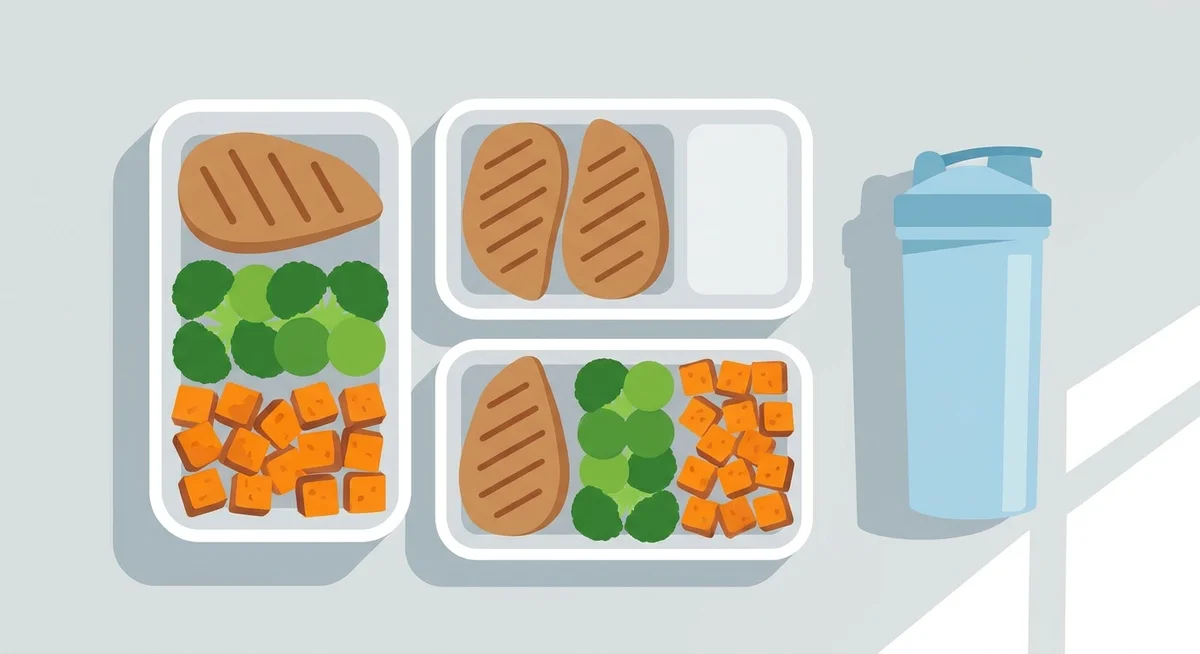
Hitting 2 g/kg or more from whole food alone is genuinely difficult when total calories are low. A 80 kg person needs 160 g of protein per day on a cut. At that calorie restriction, food volume becomes a real constraint. That is where a quality protein supplement fills the gap without blowing the deficit.
Which protein powder is best for cutting?
Not all protein powders suit a calorie-restricted phase equally. The key criteria during a cut are: high protein percentage per serve, low added carbohydrates, low fat, and high satiety per calorie.
| Protein Type | Protein per 30g serve | Carbs per serve | Best use during a cut |
|---|---|---|---|
| Whey Isolate | ~26–28g | ~1–2g | Post-workout, between meals |
| Casein | ~23–25g | ~3–5g | Before bed, slow-release |
| Whey Concentrate | ~20–24g | ~4–8g | Budget option, works well if not lactose sensitive |
| Pea Protein Isolate | ~22–25g | ~2–4g | Plant-based option, good satiety |
| Egg White Protein | ~24–26g | ~1–2g | Dairy-free, very lean profile |
| Mass Gainers | ~30–50g | ~50–120g | Not suitable for cutting |
Whey isolate is the most popular cutting supplement for good reason: it delivers close to 90% protein by weight, mixes clean, and digests quickly after training. If you are lactose intolerant or prefer to avoid dairy, a high-quality pea protein isolate provides a comparable amino acid profile and strong satiety. For a detailed breakdown of how these two categories compare, see our guide to plant protein vs whey.
How to time protein powder during a cut
Timing matters more in a deficit than at maintenance because your muscle protein synthesis window is narrower and muscle breakdown is running higher throughout the day.
What works
- A whey isolate shake within 30 to 60 minutes post-training to kick off muscle repair while insulin sensitivity is elevated.
- A casein shake or casein-blended shake before bed, which drip-feeds amino acids for up to 7 hours and blunts overnight muscle catabolism.
- A shake mid-morning or mid-afternoon if meals are spaced more than 4 to 5 hours apart.
- Adding protein to breakfast (e.g. mixed into oats or Greek yoghurt) to hit a 30 to 40g protein threshold early in the day.
What to avoid
- Replacing whole meals entirely with shakes; food volume and fibre contribute to satiety and gut health.
- Mass gainer or high-carb formulas that eat into your calorie budget without helping the deficit.
- Flavoured shakes with added sugar; check labels for anything above 5g sugar per serve during a strict cut.
- Skipping protein on rest days; muscle breakdown continues even when you are not training.
How much protein do you actually need on a cut?
The sweet spot for most people doing resistance training during a calorie deficit sits between 1.8 g and 2.4 g of protein per kilogram of bodyweight per day. Leaner individuals and those with significant training volume may benefit from the higher end of that range. For a 75 kg person, that is 135 to 180 g of protein daily. If whole food gets you to 100 to 120 g, one to two protein shakes per day cover the rest without meaningfully changing your calorie total. For a more detailed look at the numbers, our article on how much protein you need per day breaks down calculations by goal and bodyweight.
Does protein powder cause fat gain during a cut?
Only if it pushes you out of your calorie deficit. Protein itself has a high thermic effect, meaning roughly 20 to 30% of its calories are burned during digestion. A 30g scoop of whey isolate typically contains 110 to 120 calories. That is far less calorie-dense than the equivalent amount of protein from chicken breast with skin, cheese, or nuts. Used to fill gaps in your intake rather than add on top of already-complete meals, protein powder does not sabotage a cut. If you are unsure whether you are using the right type for your goals, our best protein powder Australia guide covers the top options across all categories.
What about protein powder and fat loss supplements?
Many products on the market are marketed as "fat-burning protein powders" and contain thermogenic additives like green tea extract, caffeine, or L-carnitine. The honest picture: these additives produce marginal effects on fat oxidation at best. The protein itself does more for body composition than any additive stack. Choose a clean protein powder over a hyped-up fat-loss blend and invest the money saved into whole food quality instead.
Find the best protein powder for fat lossOur full comparison covers the top-rated options for cutting, satiety, and calorie control.Frequently asked questions
Can I use protein powder as a meal replacement while cutting?
Occasionally, but not as a daily habit. Protein shakes lack the fibre, micronutrients, and food volume that whole meals provide. Replacing one meal with a shake when time is tight is fine, but aim for most of your protein to come from whole food. If you do use a shake as a meal replacement, add a handful of spinach, a tablespoon of nut butter, or some oats to increase nutrient density.
How long should a cutting phase last?
Most structured cutting phases run 8 to 16 weeks, depending on how much fat you want to lose and how aggressively you are restricting calories. Cutting beyond 16 weeks without a diet break increases the risk of muscle loss and hormonal suppression. A deficit of 300 to 500 calories per day is sustainable and minimises lean mass loss compared to aggressive 1000-calorie deficits.
Is whey isolate better than concentrate for cutting?
Generally yes. Isolate is filtered more thoroughly, so it delivers more protein per gram and fewer carbohydrates and fats. That means more protein per calorie, which is what matters on a cut. The difference per serve is modest (roughly 2 to 4g of protein and 20 to 30 calories), but across two shakes daily over 12 weeks it adds up. If budget is a constraint, concentrate still works well, just factor in the slightly lower protein density.
Should I keep taking protein powder on rest days during a cut?
Yes. Muscle protein turnover and breakdown continue on days you do not train. Hitting your daily protein target consistently, including rest days, is more important for muscle preservation than any single post-workout window. Rest days often have lower appetites too, making a protein shake a practical way to stay on track without overeating.