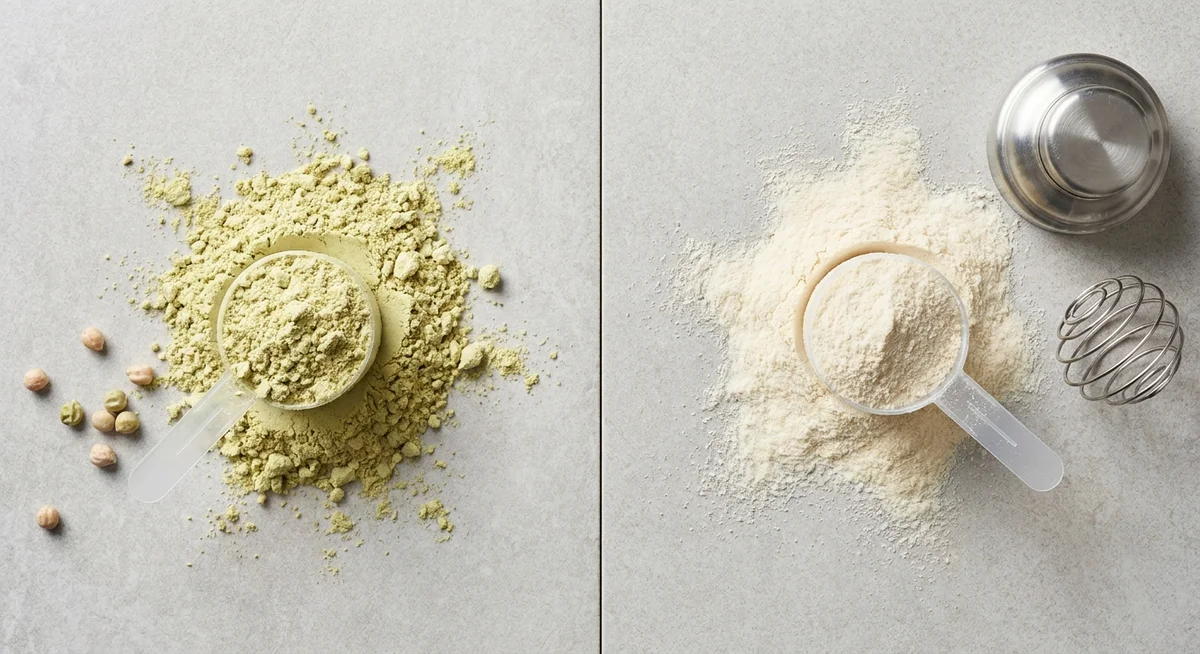
Plant Protein vs Whey: Which is Better?
A Comparison Without the Marketing Spin
The debate between plant protein and whey protein generates a lot of heat online, mostly from people selling one or the other. The truth is more straightforward: both are legitimate protein sources, both have real advantages, and the best choice depends on your individual diet, digestion, and goals.
This article covers what the nutritional research actually shows, where each type genuinely excels, and how to decide which one belongs in your pantry.
The Nutritional Case for Whey
Complete Amino Acid Profile
Whey is a complete protein. It contains all nine essential amino acids, including the three branched-chain amino acids (leucine, isoleucine and valine) that play the largest roles in muscle protein synthesis. More specifically, whey is high in leucine, typically delivering 2.5 to 3g per 25g serve. Leucine is the key amino acid that signals muscle cells to begin building new protein.
This matters because the threshold for maximising muscle protein synthesis appears to be around 2 to 3g of leucine per meal, and whey hits that threshold comfortably with a single standard serve.
Digestibility
Whey digests quickly and has one of the highest digestibility scores of any protein source. Research using the Digestible Indispensable Amino Acid Score (DIAAS) consistently places whey protein concentrate and isolate near the top, typically scoring above 1.0, which means the body can use nearly all the protein it contains. This fast digestion makes whey particularly effective when consumed around training.
The Nutritional Case for Plant Protein
The Completeness Challenge, and How Modern Products Solve It
Most individual plant proteins are incomplete. Pea protein is low in methionine. Rice protein is low in lysine. Hemp has a reasonable amino acid spread but lower overall leucine content than whey. This has historically been the main argument against plant protein for muscle building.
The practical solution is blending. A combination of pea protein and rice protein in roughly a 70:30 or 80:20 ratio produces an amino acid profile that closely mirrors whey. Most quality plant protein products sold today use exactly this approach. If you see "pea and rice protein blend" on the label, the completeness concern largely disappears.
Digestibility of Plant Proteins
Plant proteins generally score lower on DIAAS than whey. Pea protein isolate scores around 0.82 to 0.93, and rice protein typically sits below that. This means a slightly larger serve of plant protein is needed to deliver the same effective amino acid load as a comparable whey serve.
In practical terms, if whey delivers 25g of highly usable protein per serve, you may need 28 to 32g of a pea-rice blend to achieve a comparable muscle protein synthesis response. Most plant protein products account for this and serve slightly larger scoops accordingly.
Leucine Content
Pea protein delivers roughly 1.8 to 2.2g of leucine per 25g serve. That is less than whey but still meaningful. If you are using a plant protein for muscle building, aim for a serve size that delivers at least 2.5g of leucine, which may mean checking the amino acid panel and adjusting your scoop size.
Taste and Texture: The Honest Picture
Five years ago, plant protein powders had a reputation for chalky texture and earthy aftertastes. That has changed significantly. Modern pea-rice blends, particularly those from quality Australian and international manufacturers, mix clean and taste considerably better than earlier generations of the product.
Hemp protein still has a noticeably earthy flavour that some people enjoy and others do not. Single-source brown rice protein can be gritty. Pea-rice blends are generally the most palatable option if taste is a priority.
Who Should Choose Plant Protein
- Vegans and strict vegetarians: Whey is a dairy product. Plant protein is the obvious choice.
- Lactose-intolerant people who want to avoid dairy entirely: Even whey isolate contains trace lactose. Plant protein eliminates dairy from the equation.
- People who respond poorly to dairy proteins: Some people experience bloating or skin reactions from dairy regardless of lactose content. Plant protein is a clean alternative.
- Those with ethical concerns about animal products: A fair reason to choose plant protein, and the nutritional gap is now small enough that it need not compromise your goals.
Who Should Choose Whey
- People focused on maximising muscle protein synthesis per serve: Whey's leucine content and digestibility give it a measurable edge, particularly when total daily protein intake is at the lower end.
- Post-workout convenience: Whey digests quickly, which suits the post-training window well.
- Budget-conscious buyers: Per gram of protein, whey concentrate is generally 20 to 40% cheaper than equivalent plant protein in Australia.
- People who have tried plant proteins and disliked the taste: Palatability matters. A protein powder you use consistently beats the theoretically superior one sitting in the back of your cupboard.
Environmental Considerations
Plant protein production generally requires less water and produces fewer greenhouse gas emissions per kilogram than dairy-based whey. This is a legitimate consideration if environmental impact factors into your buying decisions. It is not a nutritional argument, but it is a real one.
The Honest Verdict
For pure muscle-building efficiency, whey has a modest evidence-based advantage. For people who avoid dairy, a quality pea-rice blend closes that gap significantly.
Neither is definitively better for general health. Both provide high-quality protein that most Australians could benefit from including in their diet. Choose based on your dietary preferences, digestive tolerance, budget and taste preferences, not on whichever product is being pushed hardest at the time.
If you are unsure, try both. A month with each type at your normal serve size will tell you more about what works for your body than any comparison article.